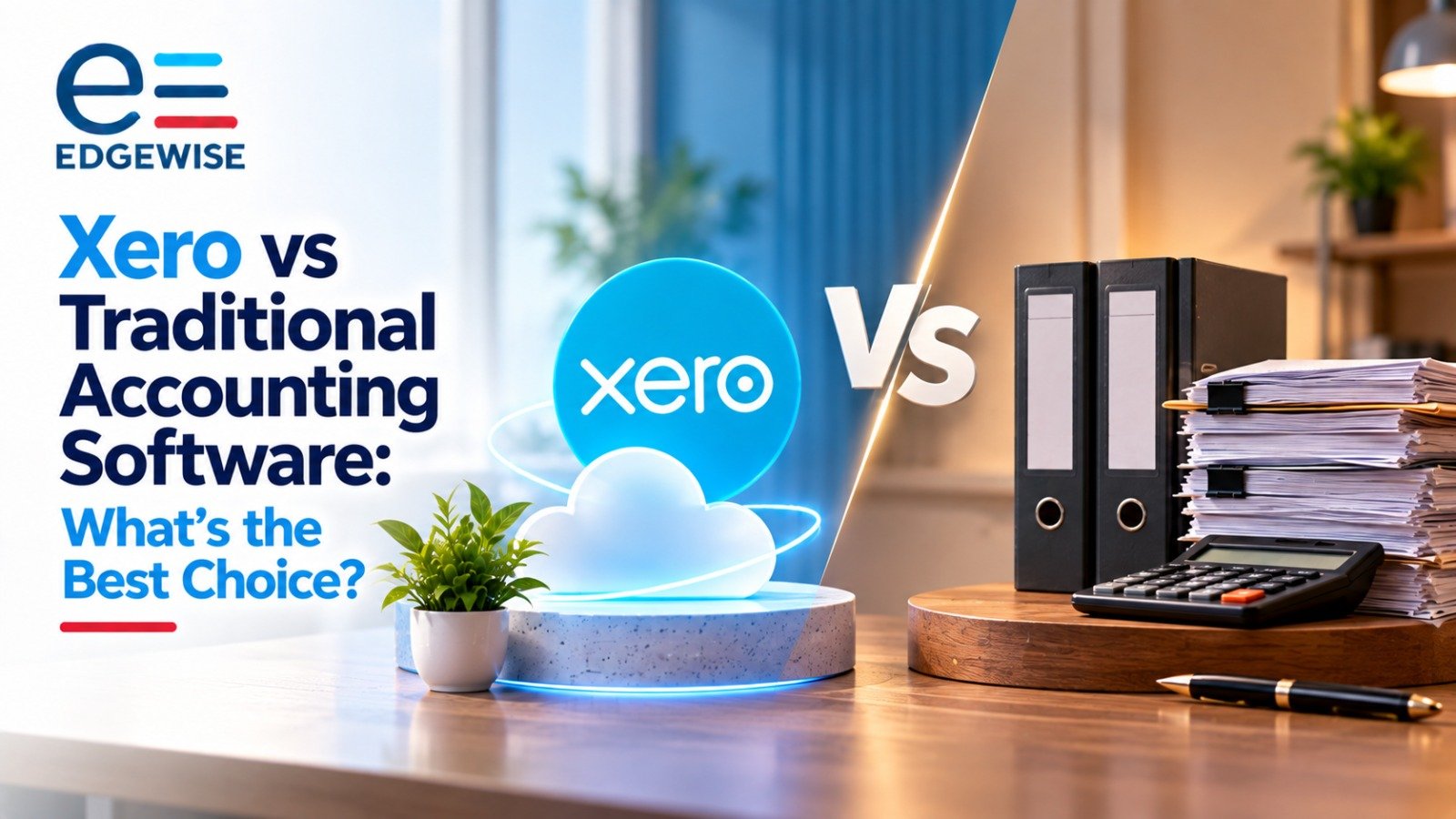
Xero vs Traditional Accounting Software: What’s the Best Choice?
For accounting practices and growing businesses, choosing the right accounting software can have a major impact on efficiency, collaboration, reporting and cost.
Guides, explainers and observations from the Edgewise team - covering bookkeeping, VAT, payroll, year-end and the practical side of running a financial back-office.
For accounting practices and growing businesses, choosing the right accounting software can have a major impact on efficiency, collaboration, reporting and cost.
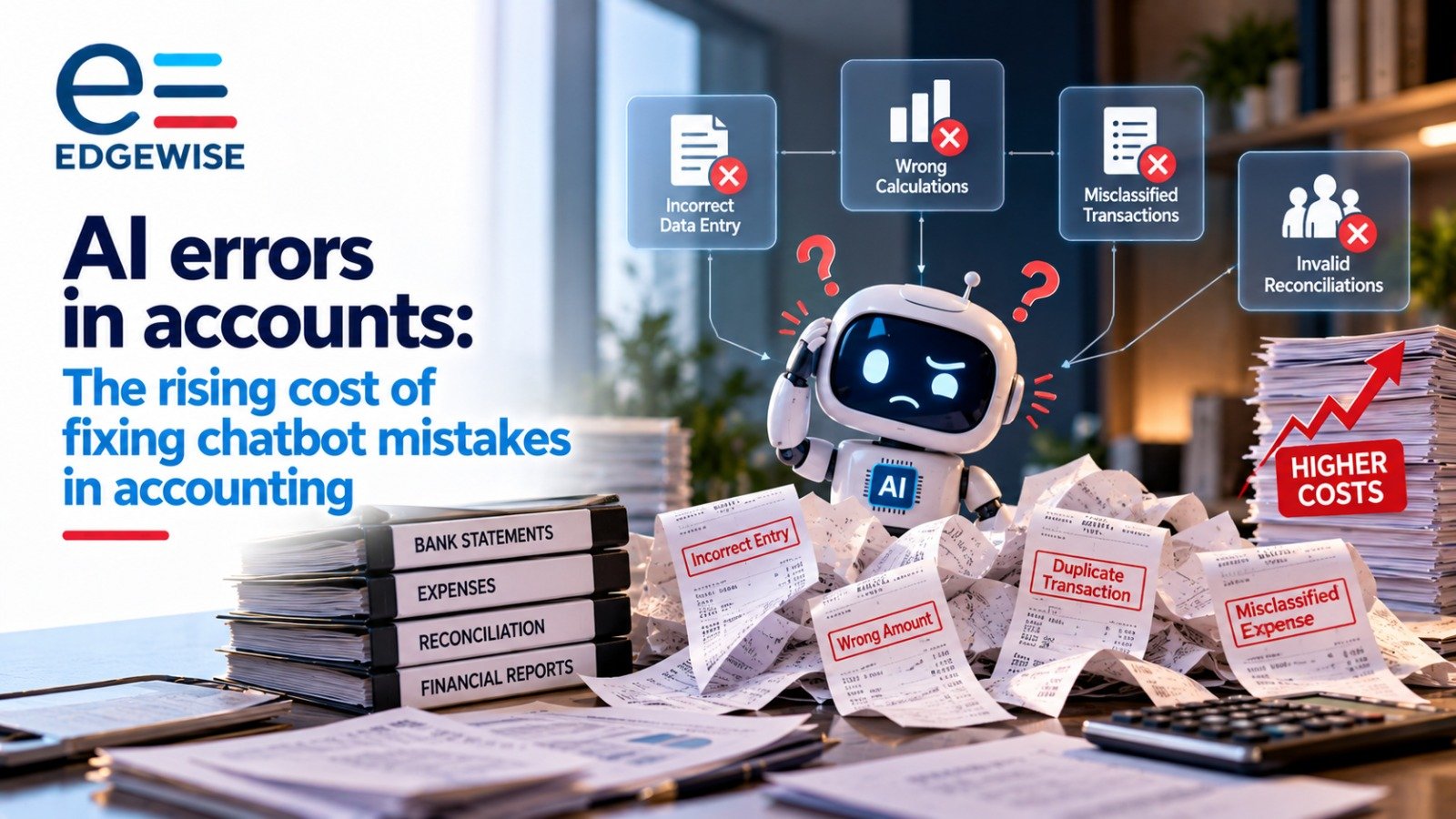
Artificial intelligence is increasingly being used across finance and accounting to automate routine work, speed up processes and improve efficiency.
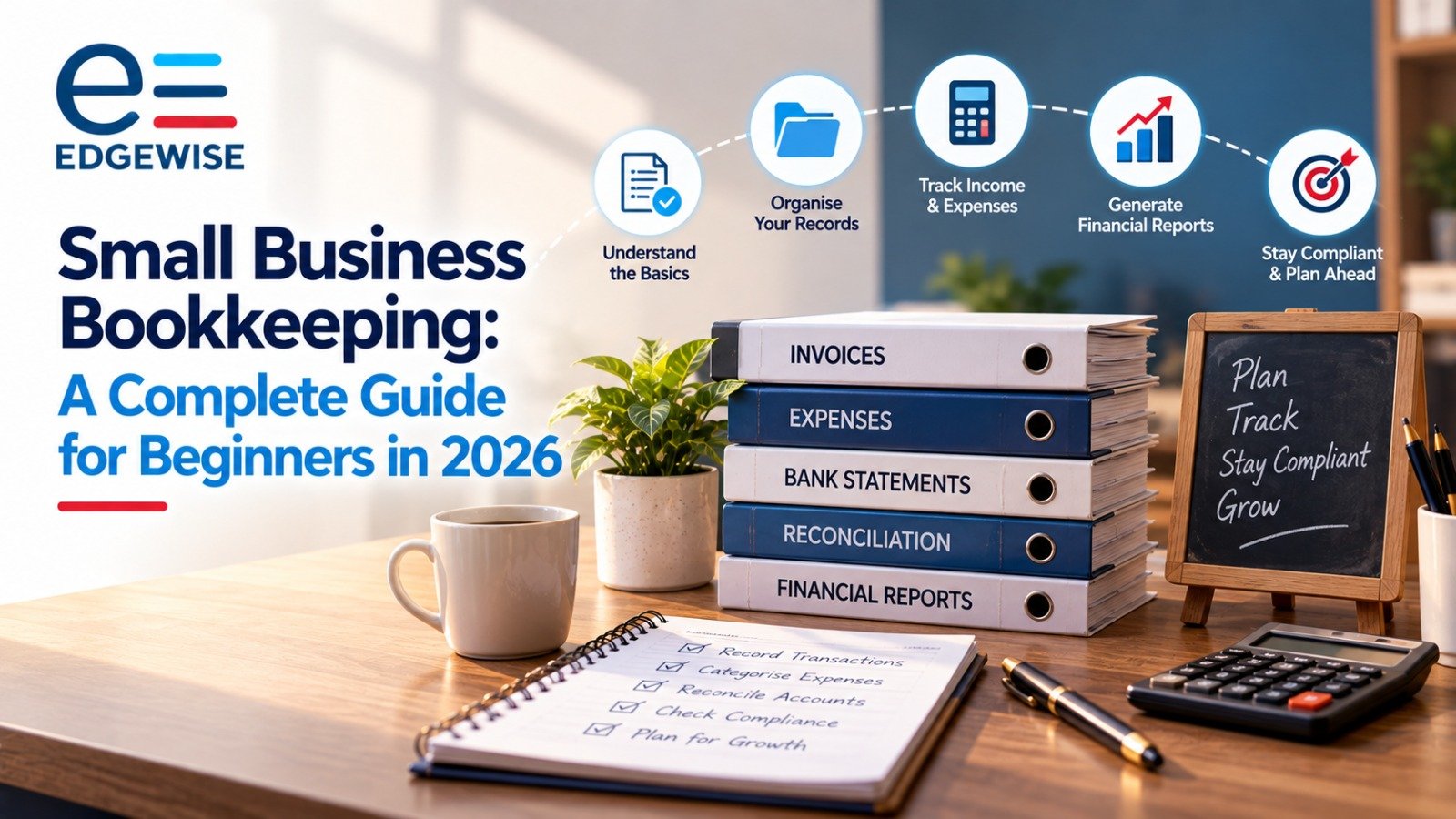
Good bookkeeping is one of the foundations of a well-managed business.
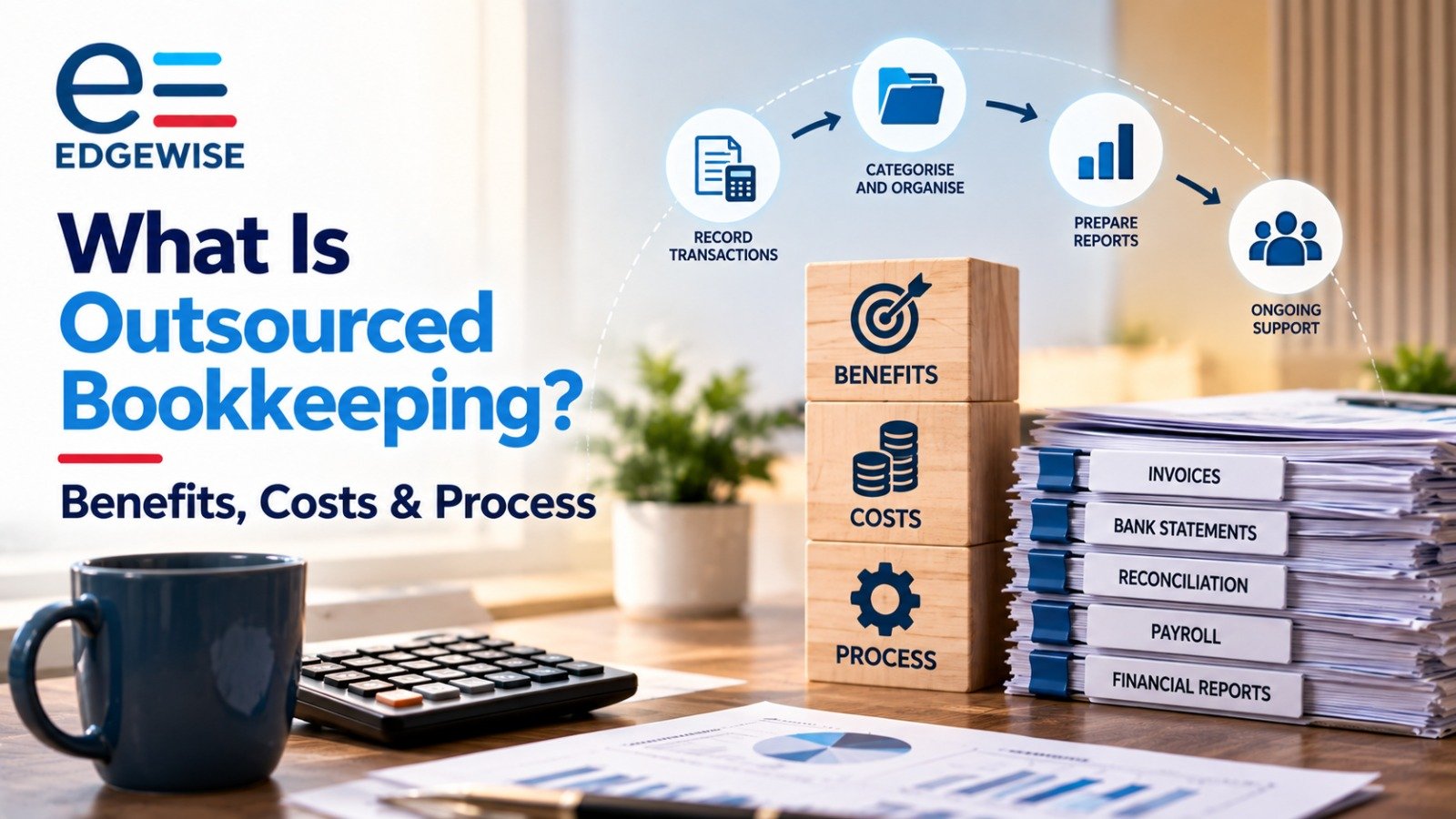
Bookkeeping is essential for every business, but it can quickly become time-consuming as transaction volumes increase, invoices accumulate and reporting deadlines become more frequent.
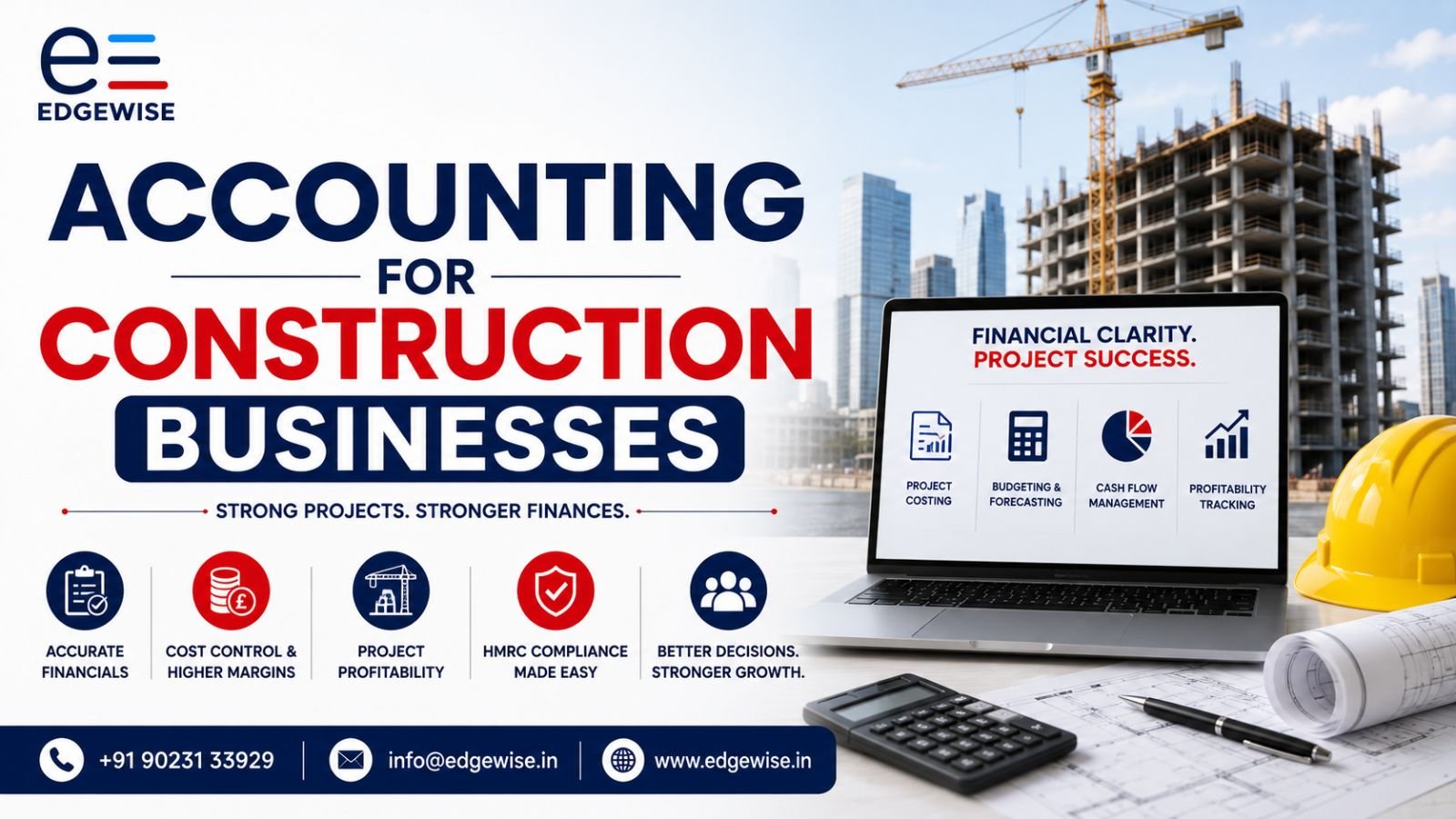
Construction accounting is different from normal business accounting because every project has its own costs, billing schedule, profit margin and completion period. Construction projects may also continue for many months, which makes job costing, work-in-progress, cash flow and revenue recognition especially important.
Accounting practices are under increasing pressure to process higher transaction volumes, meet tighter deadlines, and provide faster financial information to clients.
Our team handles bookkeeping, VAT, payroll and year-end accounts for clients across the UK and India.
Talk to Our TeamConnect with Edgewise for dependable financial back-office support tailored to your business needs.
Contact Us